Kopi Luwak, often dubbed the world’s most expensive coffee, is a delicacy shrouded in both intrigue and controversy. This Indonesian coffee, famously—or infamously—produced from beans that have been ingested and excreted by the Asian palm civet, commands exorbitant prices. A recent scientific study has shed light on the chemical processes that transform a regular coffee bean into the world’s most expensive coffee commodity.
What is Kopi Luwak and Why is it the World’s Most Expensive Coffee?
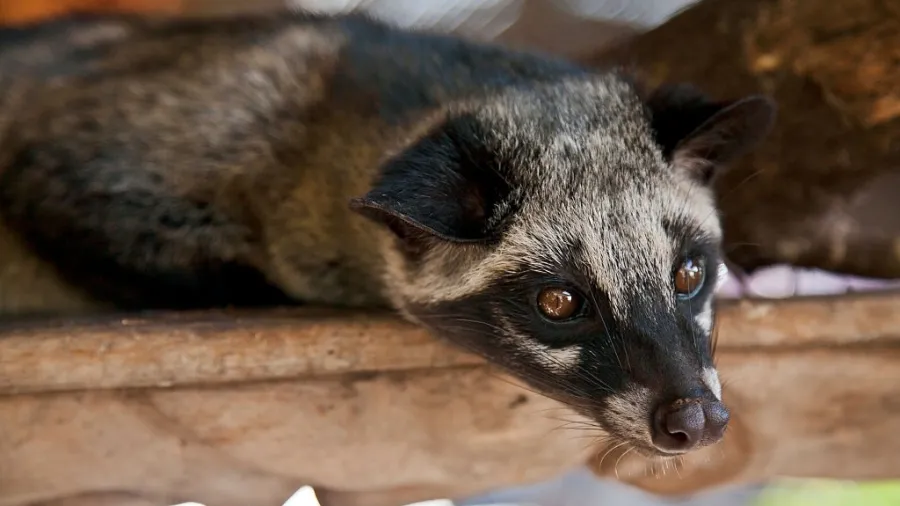
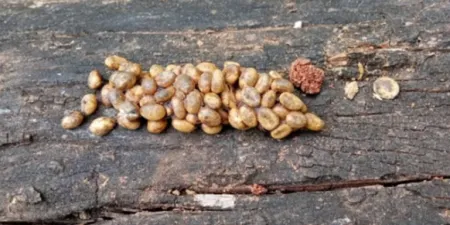
Kopi Luwak is a coffee made from coffee cherries that have been eaten, partially digested, and then defecated by the palm civet (Paradoxurus hermaphroditus). The name itself is derived from the Indonesian words kopi (coffee) and luwak (civet).
The primary reason for its status as the world’s most expensive coffee is its highly unusual and labor-intensive production method. The scarcity of the naturally-sourced beans, combined with the exotic story behind its creation, drives the price to astronomical levels. While prices vary, a single cup of this world’s most expensive coffee can cost between $30 and $100, and the raw beans can fetch upwards of $1,300 per kilogram [1, 2]. This makes it consistently one of the world’s most expensive coffee varieties on the market.
How does the civet’s digestive system make it the world’s most expensive coffee?
The civet’s digestive tract acts as a natural processing plant. As the coffee cherries pass through the animal’s gut, they undergo a unique process of fermentation and enzymatic modification.
•Fermentation: Enzymes and acids in the civet’s stomach break down the pulp surrounding the coffee bean (the endosperm).
•Enzyme Absorption: The enzymes also penetrate the bean itself, breaking down specific proteins.
This process, which can take up to 12 hours, is what fundamentally alters the chemical composition of the bean, resulting in the distinct flavor profile that connoisseurs of this world’s most expensive coffee seek.
What did the scientific study reveal about Kopi Luwak?
A study conducted by scientists at the Central University of Kerala in India analyzed the properties of Kopi Luwak to chemically identify the differences that justify its “premium” status as the world’s most expensive coffee.
The researchers compared regular Robusta coffee beans with those collected from civet feces, using gas chromatography coupled with mass spectrometry to analyze the molecular changes [3].
What are the key chemical differences in the world’s most expensive coffee?
The digestive process of the civet leads to several significant chemical changes in the coffee bean:
| Chemical Component | Change in Kopi Luwak (Civet Coffee) | Effect on Flavor/Profile |
| Protein Content | Significantly lower | Reduces bitterness and contributes to a smoother taste. |
| Fat Content | Considerably higher | Enhances the aroma and overall flavor profile. |
| Acids (Caprylic & Capric) | Higher concentrations | Imparts dairy-like or milky flavor notes, linked to Gluconobacter bacteria in the civet’s gut. |
| Caffeine | Lower | Results in a less caffeinated final brew. |
| Acidity | Lower | Contributes to a smoother, less acidic cup. |
The reduction in protein is particularly important, as protein is a major contributor to the bitter taste in coffee. By naturally reducing these proteins, the civet’s digestion process creates a less bitter bean, a key characteristic of this world’s most expensive coffee.
Are there ethical concerns regarding the world’s most expensive coffee?
While traditionally sourced from wild civets that selectively choose the best coffee cherries, the high demand for the world’s most expensive coffee has led to widespread commercial farming. In these operations, civets are often captured and kept in cramped, inhumane conditions, force-fed coffee cherries, and subjected to stress.
This has led to significant ethical concerns among consumers and animal welfare organizations. As a result, many ethical producers now focus on sourcing only “wild-collected” or “cage-free” Kopi Luwak to ensure the welfare of the civets, though verifying the authenticity of these claims can be challenging. Consumers are advised to research the source carefully before purchasing this world’s most expensive coffee.
Conclusion
The scientific evidence confirms that Kopi Luwak is chemically distinct from conventional coffee, possessing a unique profile that is less bitter, less acidic, and richer in certain fatty acids that enhance flavor. This distinct chemical signature, combined with its rarity and exotic production narrative, solidifies its position as the world’s most expensive coffee. However, the ethical implications of its mass production remain a critical consideration for anyone seeking to indulge in this luxurious brew.